A First Visit to a Rural Ground: Make Time for the Approach
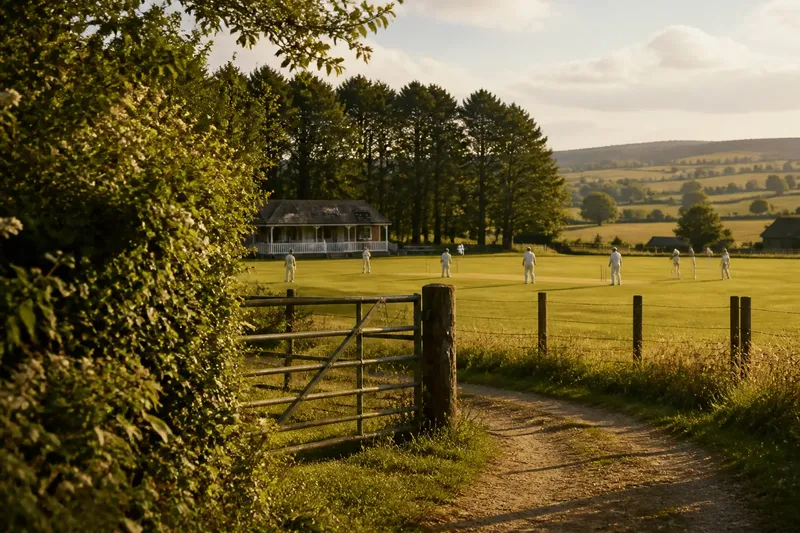
A first visit to a rural ground feels easier when you know what to expect from the welcome, the match-day rhythm and the small rituals around play.
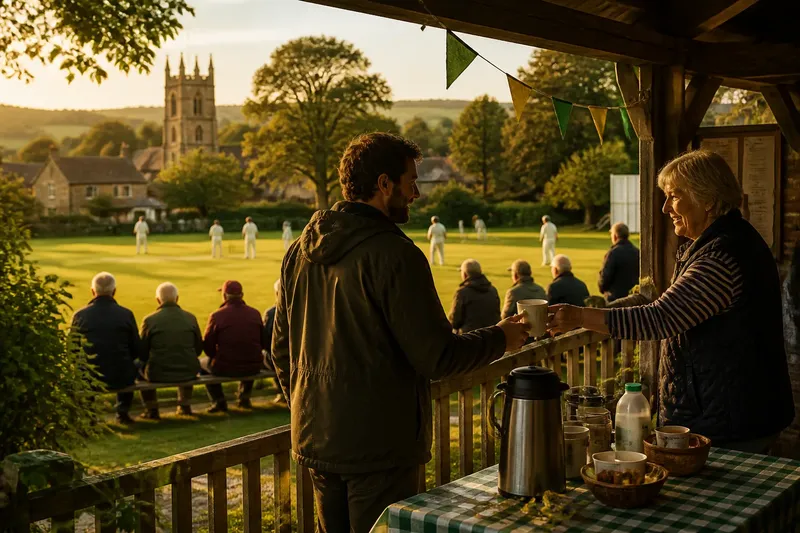
A first visit to a rural ground is easier when you arrive ready to join its match-day rhythm, not just watch the score. A warm greeting, a turn at the tea table or a shared cheer can make a small fixture feel welcoming without asking you to know every local custom.
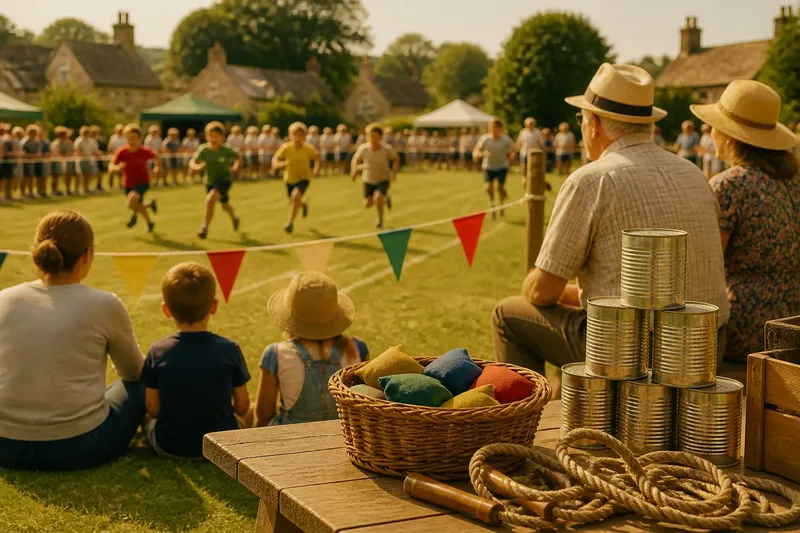
Rural sport often depends on people who take on several roles: players may help with the scoreboard, volunteers may serve refreshments, and spectators may know one another well. You can take part at your own pace. A little curiosity and courtesy go further than trying to appear like an expert.
What makes a rural match feel different?
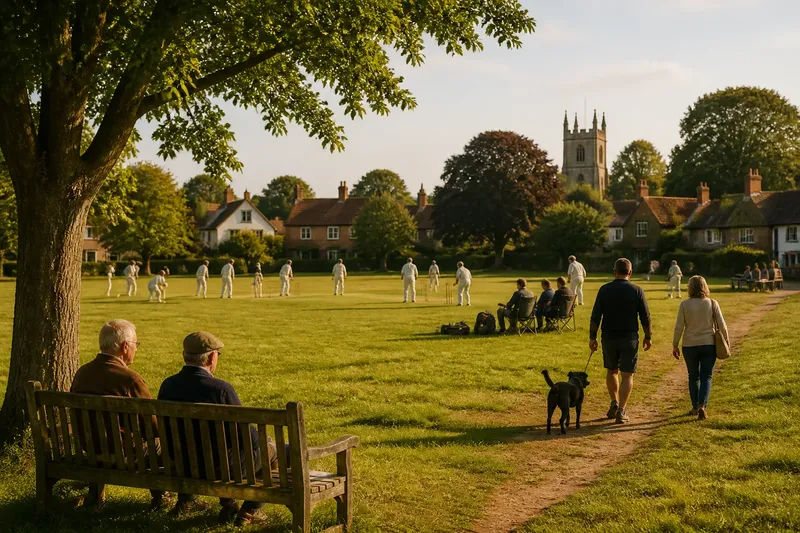
At a village cricket fixture, a football match on a recreation ground or a bowls afternoon, the audience and the event may be closely connected. The person handing you a programme could also be helping with the club, while someone cheering from the side may have a relative on the team.
That closeness is part of the occasion, but it does not mean every visitor is expected to know everyone. People may be focused on the game, tending a task or catching up with friends. A smile or a brief hello is enough; let the conversation develop naturally.
Think of the match as a shared kitchen table: people arrive with different jobs and stories, but there is room for a newcomer to pull up a chair. You do not need to claim a place in the club to enjoy being part of the afternoon.
How can you join in without forcing it?
Start with the small interactions that already belong to the event. Thank the person at the gate, ask a volunteer whether refreshments are available, or respond to a friendly comment about the play. If you would rather watch quietly, that is a valid way to be there too.
Follow the crowd’s cues rather than performing enthusiasm. Applause after a good passage of play is usually easy to read; a brief announcement may explain a moment that matters to the club. If the audience is quiet, there is no need to fill the silence.
Say you attend a village football fixture alone and the person at the entrance mentions that the club is serving tea. You buy a cup, thank the volunteer, and take it to a spot where you can watch without joining an ongoing conversation. The likely result is a comfortable first exchange and a chance to enjoy the match on your own terms.
What small customs should you expect?
Customs differ between clubs and sports, so treat what you see as local rather than universal. A programme might list team news, a volunteer may announce a raffle, or spectators may gather for refreshments at the interval. Watching for a moment before joining in is a useful way to understand what is happening.
If there is a collection or club fundraiser, contributing is a personal choice. A polite “not today, thank you” is enough if you do not wish to take part. Equally, you can ask what a collection supports before deciding.
Photography and social media call for a little thought. Check any club notices, avoid close pictures of people without asking, and be particularly careful around children. If you are unsure, enjoy the match without taking a photograph.
What do first-time visitors often ask?
Do I need to know the sport’s rules?
No. Knowing the basic aim can help, but you can enjoy the atmosphere while you learn. Ask a companion or volunteer about one moment that puzzles you rather than trying to absorb every rule at once.
Is it all right to go alone?
Yes. You can watch quietly, have a brief exchange with a volunteer or simply focus on the play. There is no obligation to turn the visit into a social occasion.
Should I bring cash for refreshments?
Check current club information for accepted payment methods, and bring a practical alternative if you are uncertain. Small stalls can have different arrangements from larger venues.
What if I do not understand a local custom?
Pause and observe, or ask someone nearby in a friendly, low-key way. A simple question is usually more comfortable than guessing, and it gives the person a chance to explain without making the custom seem universal.
How can you make the afternoon comfortable?
Check the club’s current information for admission, refreshments and facilities, then dress for the weather and the kind of ground you are visiting. A waterproof coat and comfortable shoes are often sensible choices; keep your belongings manageable so you can settle in easily.
Decide for yourself how long to stay. You might watch a short spell, remain through the interval or stay until the result is announced. If you leave early, do so quietly and without crossing the playing area or interrupting the match.
- If you are unsure where to sit or stand, ask a steward or volunteer; if nobody is available, choose an unoccupied area away from players and officials.
- If the crowd is applauding, join in when you feel comfortable; if you would rather not, keep watching without making a show of it.
- If refreshments are being served, check the payment arrangement before ordering; if it does not suit you, decline politely and carry on watching.
- If someone starts a conversation, respond as much as you wish; if you prefer quiet, offer a smile and return your attention to the match.
- If you want to take a photograph, check club notices and ask before capturing people closely; if permission is unclear, leave the camera away.
- If a custom is unfamiliar, watch what others do or ask a brief question; if the moment is busy, wait until there is a natural pause.
Before you leave, notice one detail that belongs to that particular afternoon: a familiar cheer, the clink of cups at the pavilion or the way the crowd reacts to a close finish. Remembering that small moment gives you an easy opening if you return, while the next visit can still unfold in its own way.