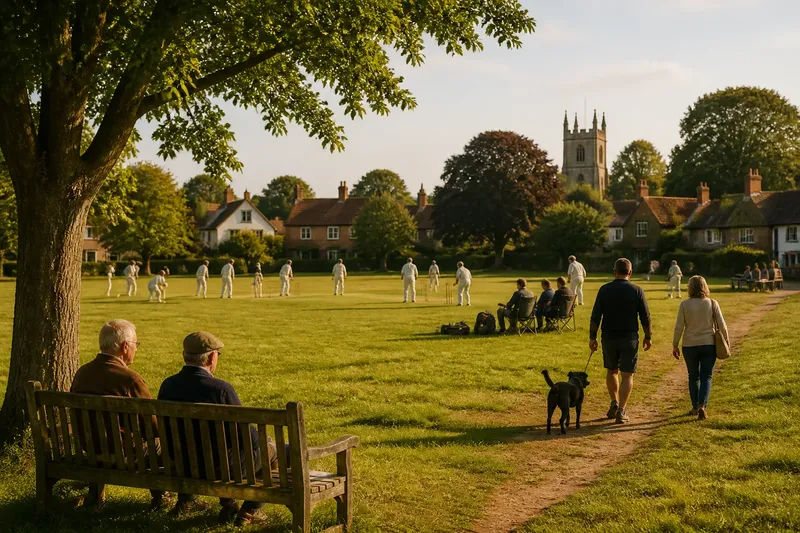
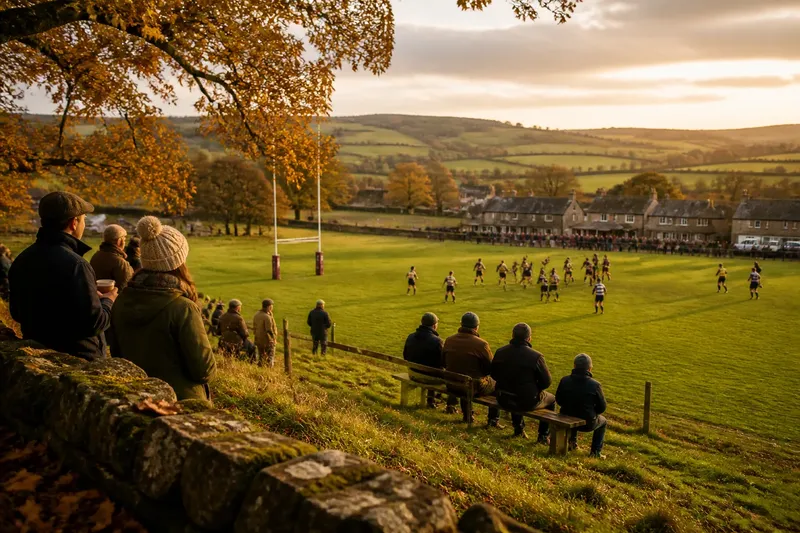
Hedgerow, Shelterbelt or Open Field: Reading the Edges of a Rural Ground
Compare a rural ground’s hedgerow, shelterbelt and open-field edges to see how each shapes the view, marks a boundary and influences shared use.
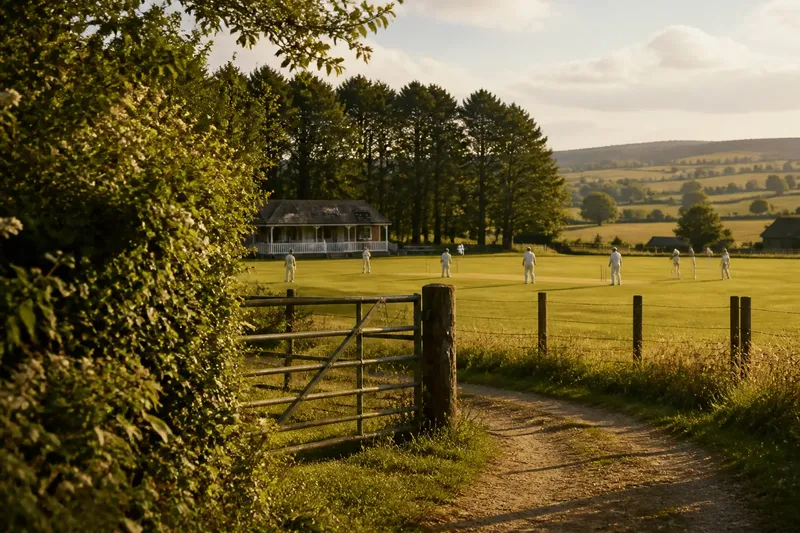
A rural ground’s hedgerow, shelterbelt or open-field edge tells you how the sporting place relates to its surroundings. Look closely and you can distinguish a living boundary, a planted backdrop and an exposed meeting with farmland without confusing any of them with the ground’s formal access rules.
These features are more than scenery, but their meaning depends on how a particular place is used and maintained. A hedge can frame a ground, for instance, without being an entrance; a fence may mark the practical limit even when it barely registers in the view.
What makes a hedgerow distinctive?
A hedgerow is a close, textured line of shrubs and other growth. Leaves, stems and gaps create a partial screen: a leafy hedge may soften the view in summer, while bare branches can reveal more of the playing area in winter.
That changing texture gives a ground a sense of closeness to the surrounding countryside. From a lane, you might glimpse a strip of pitch through a gap. Beside the playing area, the foliage becomes a detailed backdrop, with small visual changes alongside the larger movements of the game.
Gaps can catch the eye, but they do not automatically mark public access. Notice how the hedge meets a gate, a track or a spectator area, and follow signs or the landowner’s instructions about where people may go.
How does a shelterbelt shape the setting?
A shelterbelt is a planted band of trees, usually read as a taller, broader feature than a hedgerow. From the ground, it can provide a strong backdrop, giving one side of the sporting place a clear visual identity.
Its position changes the effect. A belt behind one end of a pitch can draw the eye across the playing surface; a line along one side can make that edge feel more enclosed. The trees frame the ground, while their distance and scale distinguish them from a hedge close by.
Imagine a village cricket ground with trees behind the pavilion and open pasture beyond the boundary on the opposite side. A spectator looking towards the pavilion sees a settled, tree-backed scene; turning towards the pasture, the same match sits against a broader landscape. The observable difference is the setting in the view, not a change to the game.
What does an open-field edge reveal?
An open-field edge offers little visual screening. A fence or row of posts may mark the playing area, while the view continues towards pasture, crops, farm buildings or a distant rise.
With no tall backdrop to anchor the eye, a pavilion, gate or track may become the most recognisable reference point. The ground can feel visually connected to working land rather than set apart from it, even where a clear boundary separates the uses.
Open does not mean boundary-free. A fence can define the edge, and a path can guide visitors around it; what makes the setting open is that the wider view remains visible beyond those features.
How can you compare rural ground edges?
Compare what each edge lets you see, what it puts in the foreground and how it meets the places people use. Like a curtain, a row of bookcases and an unobstructed window, each arrangement changes what appears in the frame.
Use these observations to decide what kind of edge you are looking at and what to check next:
- Observe a close line of mixed growth with gaps. If it partly screens the ground, treat it as a hedgerow; if the boundary itself is unclear, look for a fence, posts or signs before deciding where access is allowed.
- Observe a taller band of trees set back from the playing area. If it reads as a broad backdrop, identify it as a shelterbelt; if it stands directly beside a route or gathering area, check how that space is actually marked and used.
- Observe a view that continues over the edge into neighbouring land. If a fence or posts still mark the limit, describe the outlook as open but bounded; if no clear marker is visible, do not assume visitors may cross.
- Observe whether a gate or track interrupts the planted edge. If it is signed as an entrance, use that route; if its purpose is unclear, look for venue guidance rather than treating the gap as public access.
- Observe a pavilion or landmark that stands out more than the vegetation. If it gives the eye a reliable reference point, use it to describe the ground’s layout; if it is hidden from one side, choose another visible feature for orientation.
- Observe how foliage changes the view across the seasons. If leaves or bare branches alter what is visible, describe the seasonal change in screening; if the feature is a fence or open field, do not infer that its formal boundary has changed.
Which rural ground edge suits the setting?
Does a hedgerow make a ground feel enclosed?
It can create a close, partial screen that gives the playing area a tucked-away appearance. Gaps and seasonal foliage still let parts of the surrounding landscape into view.
Is a shelterbelt the same as a hedgerow?
No. A shelterbelt is generally a taller band of trees read as a broad backdrop, while a hedgerow is a lower, closer line of growth with a more broken texture.
Can an open-field edge still have a clear boundary?
Yes. A fence, posts or a change in land use may mark the limit even when the view remains unobstructed. Check signs and venue guidance for access rather than relying on the scenery alone.
Why compare rural ground edges?
Comparing them helps explain whether the playing place appears screened, backed by trees or visually connected to wider farmland. It also helps separate what the landscape suggests from the practical rules for access.
When reading rural ground edges, look from both sides of a feature if you can do so from a permitted route. A hedge seen from a lane may appear to hide the pitch, while from inside the ground it becomes a textured backdrop; that change in viewpoint is a useful clue to how the place meets its surroundings.