How the Seasons Change the Feel of Rural Sport
See how the seasons shape rural sport’s pace, atmosphere and customs, from spring fixtures to winter gatherings, and notice what changes through the year.
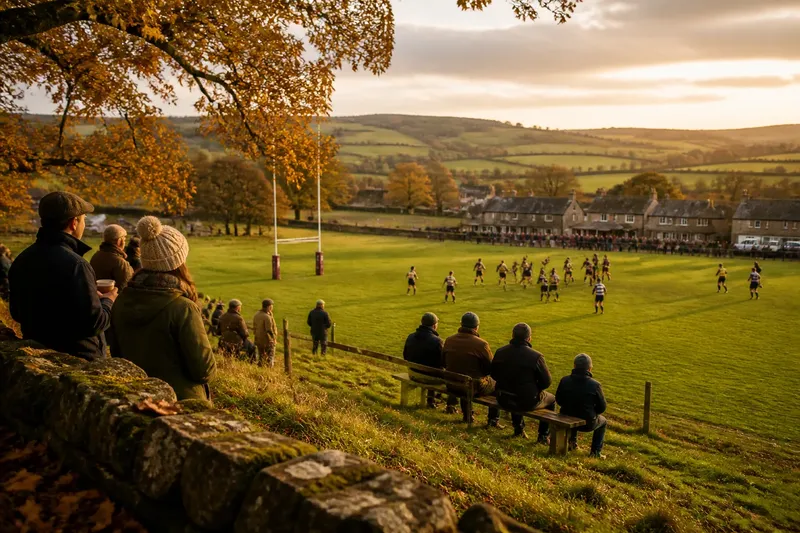
The seasons change rural sport from the first signs of spring: a village ground can feel open and lively one month, then close-knit and hushed as autumn settles in. Following those shifts reveals how weather, daylight and the farming calendar shape not just the playing conditions but the way a community gathers.
What changes when the sporting year turns?
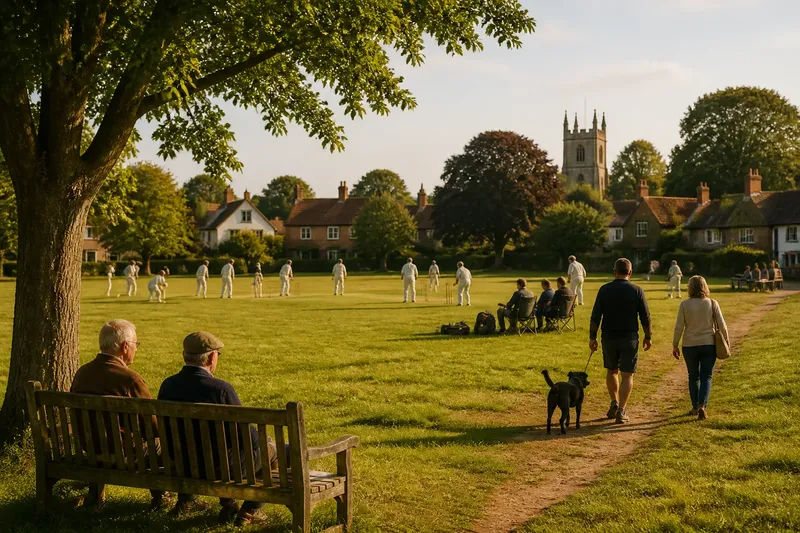
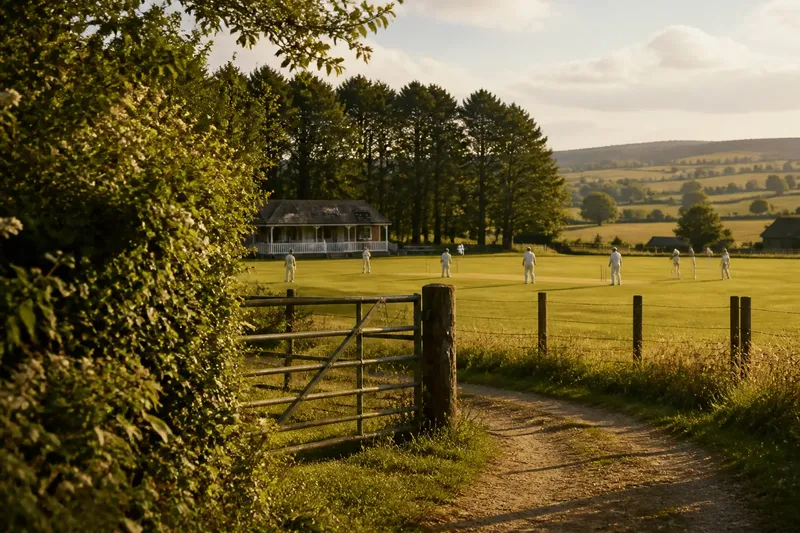
Rural fixtures often follow the rhythms of the place around them. Spring brings renewed activity outdoors, while summer’s longer evenings can make a match feel like part of a whole village occasion. As daylight shortens, events may move earlier or become more compact.
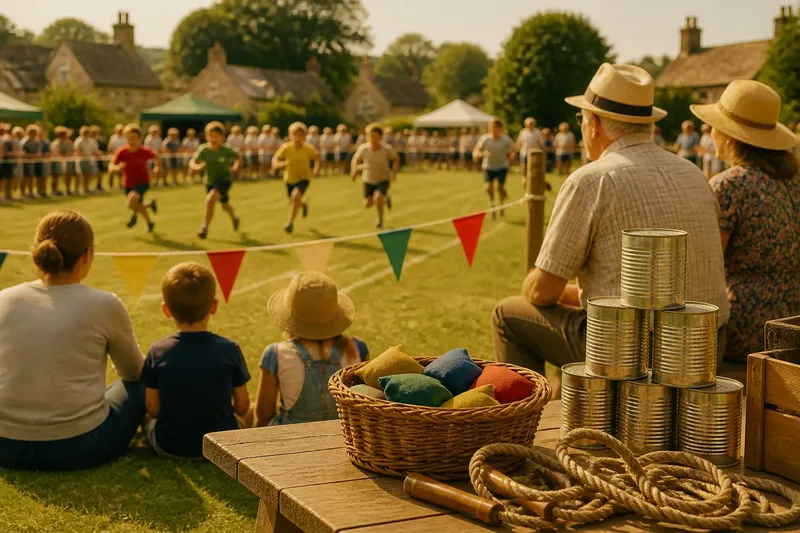
The change is not simply a matter of comfort. Seasonal routines affect who can attend, how long people linger and which customs accompany an event. A summer fixture might draw families after work; a winter gathering may centre on a brisk match followed by a warm room and conversation.
How does each season shape the atmosphere?
Spring sport often carries a sense of return. People notice the first fresh growth around the ground, and a fixture can become a marker that outdoor routines are beginning again.
Summer tends to make time feel less hurried. Spectators may arrive in small groups, chat between moments of play and stay to watch the light fade. In autumn, changing leaves and cooler air can lend an event a more reflective mood, while the approach of winter makes every shared gathering feel especially welcome.
Think of the calendar like a well-used coat: the same item serves through the year, but each season changes how it feels and what you need from it. A match remains a match; the setting gives it a different texture.
Why do fixtures follow local rhythms?
Sport in the countryside shares a calendar with work, school and community life. Harvest activity, local celebrations and changing daylight can all influence when people have time to play or watch. Organisers may arrange events around those realities rather than treating the sporting year as separate from everything else.
That connection is visible in small details: a fixture scheduled to suit a village gathering, familiar faces returning after a busy spell, or a seasonal tradition that gives a match a particular place in local memory. The event belongs to a wider pattern of life, not just to the time on the pitch.
What seasonal questions do spectators often ask?
Does the sport change with the season?
It can, depending on the game and local custom. Weather and daylight influence the setting, while clubs and communities may shape their fixture calendar around the season.
Why do some matches feel more social at certain times?
Longer evenings and local holidays can leave more room for people to gather before or after play. In darker, colder months, the social part may shift towards a shorter visit or an indoor meeting place.
How can I understand a local seasonal tradition?
Ask a club member or local organiser what gives the event its place in the calendar. Listening to the story behind a fixture is often a better guide than assuming it follows the same pattern everywhere.
What does a seasonal change look like in practice?
Imagine a village club planning its usual late-summer match, with families expecting to stay after play. If an unusually early dusk is approaching, organisers might bring the start forward and tell visitors that the gathering will be shorter. The visible result is a match that still fits the community’s routine, with less time for lingering once play ends.
That small adjustment shows why seasonal awareness matters: it helps people understand the shape of an event without treating change as a disruption. Local customs endure partly because communities adapt them to the conditions they actually have.
How can you notice the season’s influence?
- Check the event time: If it is earlier than a summer fixture, expect the shorter daylight to shape the gathering; otherwise, follow the published schedule.
- Notice the local calendar: If the event coincides with a village celebration or busy farming period, allow for a distinct local rhythm; otherwise, expect the fixture to follow the club’s usual routine.
- Look at how people gather: If spectators arrive in groups and linger, the season may make an outdoor social occasion easier; if they disperse quickly, follow their lead rather than assuming the event continues elsewhere.
- Listen for seasonal customs: If a club member explains a recurring tradition, ask how it fits the year; if no custom is mentioned, enjoy the event without imposing one.
- Notice changes in daylight: If the light is fading, expect play or conversation to draw to a close sooner; if there is plenty of light, the gathering may continue as planned.
- Observe the mood around the fixture: If people speak of the match as a seasonal marker, listen for what it signifies locally; if it is treated as an ordinary fixture, take it on those terms.
Seasonal sport is easiest to appreciate when you pay attention to what changes around the game: the light, the pace of gathering and the customs that return with the calendar. Rural sport’s seasonal rhythm is not identical from one place to another, so a simple question to a local organiser can reveal why a particular fixture matters at that time of year.