The Changing Face of the Village Sports Day
The village sports day brings contests and casual play together; see how different formats welcome competitors, spectators and people who simply want to join in.
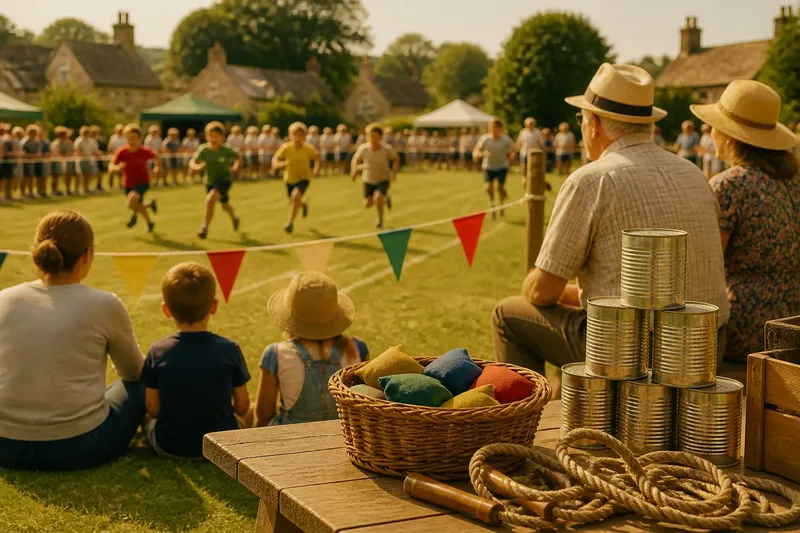
A village sports day works best when its contests give people something to watch and its informal activities leave room for people to join. The changing face of the village sports day is not simply a move from old-fashioned races to newer attractions: it is a choice about how organised the gathering should be, and whom it should invite in.
Some communities build the day around a firm programme of races and fixtures. Others make space for drop-in games, while a third approach combines scheduled contests with open participation. Each creates a different rhythm for the field, the organisers and the crowd. The right fit depends on local custom, available volunteers and whether people come chiefly to compete, cheer or spend time together.
What makes a sports day feel like a shared gathering?
A contest gives a gathering a focal point. The start of a race draws people towards the same patch of ground, while a finish gives them a reason to cheer, congratulate someone or swap a story. Even a simple event can make the afternoon feel shared because participants and spectators follow the same moment.
Yet a programme made only of formal events can leave many people with nothing to do between them. Informal participation fills those gaps: children might try a throwing game, friends might challenge one another to a short race, and people who prefer watching can choose a spot with a clear view. The mix matters more than novelty. A sports day feels open when joining in is possible without being compulsory.
That distinction shapes local customs, too. A familiar race may carry meaning because people recognise its rules and know who traditionally takes part. A new activity can add interest, but it works better when it sits alongside those shared reference points rather than pushing them aside.
Which format suits your village best?
Should the day centre on scheduled contests?
A contest-led format suits a community that values clear fixtures, team rivalries or a predictable programme. Organisers can set out the order, invite participants in advance and make sure spectators know when a race or match is due. The trade-off is that the day may feel less welcoming to people who arrive late or decide they would like to take part on the spot.
This approach can also help a village preserve events that have become part of its own calendar. The programme might feature familiar races, a local team fixture or a contest that brings several age groups together. The event does not need to be elaborate: consistency and a sense of occasion can matter more than a long list of activities.
Are open, drop-in activities a better fit?
A casual format suits a gathering where visitors may come and go, or where organisers want participation to feel easy and unpressured. A simple game set out on the field can let people join for a short spell without registering for a race or waiting for a formal start. Spectators can still enjoy the activity, though there may be fewer shared moments that gather everyone’s attention.
Open play needs its own light structure. Someone must keep an eye on turns, explain the rules and make room for newcomers. That role can be informal, but leaving it unspoken may mean confident regulars take over while quieter visitors remain on the edge.
Can a village combine both approaches?
A mixed format suits communities with different expectations: some want a proper race programme, while others would rather join an activity when they feel ready. One workable pattern is to place scheduled contests at known points in the day and leave simple games available between them. The programme creates shared occasions; the open activities soften the gaps.
Say a village has a regular afternoon crowd but also welcomes families who arrive after the opening race. Organisers could keep that race and a team contest at set times, while leaving a beanbag target and skipping ropes available for casual use. Latecomers would still have something to do, and the scheduled events would remain clear moments for the crowd to gather around.
How can organisers make each role visible?
A sports day has more roles than competitor and spectator. Someone may keep score, call the next race, help younger participants find their place or simply watch from the edge while keeping a friend company. Naming these roles in the programme or on a noticeboard helps people see how they can belong without needing to take part in every contest.
It also helps to make transitions legible. A bell, a spoken announcement or a clear sign can tell people when an organised event is beginning and when the field is open for casual use. The idea is like a gate with a latch: people should be able to tell when it is their turn to enter, rather than guessing whether they are interrupting.
Keep the instructions brief and visible. If an activity needs a queue, say where it starts; if a contest is for a particular group, explain that plainly. Clear signals prevent the programme from becoming a private conversation among people who already know how the day works.
How should the format change over time?
Traditions can be preserved without treating every detail as fixed. Organisers might retain a well-known contest while adjusting its place in the programme, or invite people to suggest a new casual activity after the main events. Small changes are easier to understand when the reason is clear: perhaps a long gap needs filling, or families have asked for something they can join without signing up.
After the gathering, a short conversation can reveal what the programme made possible. Ask participants whether the timings felt clear, spectators whether they knew what was coming next, and volunteers whether they could manage their roles. These are practical observations, not a verdict on the whole event; they can point to one adjustment for next time.
It is also worth noticing who stayed at the edge. If people seemed interested but did not join, the obstacle might have been unclear instructions, a lack of an obvious invitation or a programme that left no natural opening. A friendly invitation and a visible place to begin may do more than adding another contest.
What do readers often ask about village sports days?
Do all village sports days need formal races?
No. A gathering can centre on informal games, demonstrations or a shared team activity instead. Formal races are useful when the community wants a clear programme and a focal point for spectators, but they are not the only way to bring people together.
How can a newcomer take part without knowing local customs?
Look for a named organiser, a sign explaining the next activity or a group that appears to be welcoming participants. Organisers can help by making the first point of contact easy to spot and explaining familiar customs without assuming everyone already knows them.
What works for people who only want to watch?
A schedule that shows when the main contests begin helps spectators settle in and choose what to follow. Informal activities between contests can keep the gathering lively, while a clear viewing area makes it easier to watch without standing in the way of play.
How can organisers keep the day welcoming as customs change?
Keep the parts people value, explain new activities simply and invite feedback from people in different roles. A sports day can change its shape while retaining the local habits that give it a familiar character.
How can you choose a format without losing the local feel?
Start by asking what the village wants the gathering to do. If its main purpose is to showcase competition, a scheduled programme may be the best fit. If people are more likely to drift in and out, open activities can make participation easier. Where both needs matter, a mixed format gives contests their place without making the whole afternoon depend on them.
Then match the idea to the people who can make it happen. A detailed schedule needs someone to coordinate it; casual play needs a visible host who can explain the activity and welcome newcomers. A mixed day needs both kinds of attention, even if the tasks are shared among a small volunteer group.
The changing face of the village sports day is clearest in those choices: what the community keeps, what it opens up and how it makes room for people to join on their own terms. A useful format does not ask every visitor to become a competitor. It gives the crowd a reason to gather, a chance to participate and enough clarity to know where they fit.